

How to create a marketing portfolio
Now that you know which elements to include in your portfolio, it’s time to put it all together. Here’s how to build a marketing portfolio that will present your work in the best light and capture the attention of your audience:
- Choose an online platform
- Create a compelling homepage
- Design a strong About page
- Showcase your best samples
- Explain your work process
- Make yourself easy to contact
01. Choose an online platform
Displaying a portfolio of your work online makes you come across as more professional, showing potential employers that you’re serious about your career. By creating a website for your marketing portfolio, you’ll make it easy to get found by clients and recruiters and have the opportunity to present your work to the public.
A convenient way to get started with your online portfolio is to create a professional website using Wix. Building a website is completely free, and there’s a wide selection of portfolio templates that you can customize according to your needs.
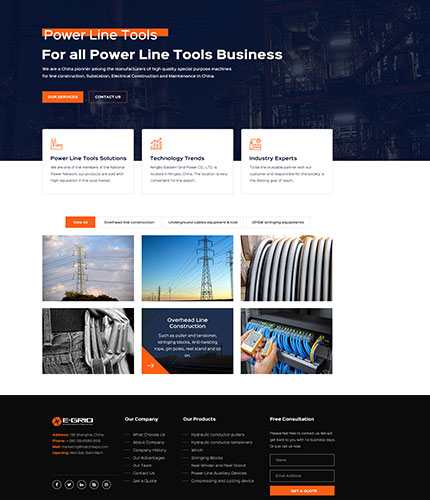
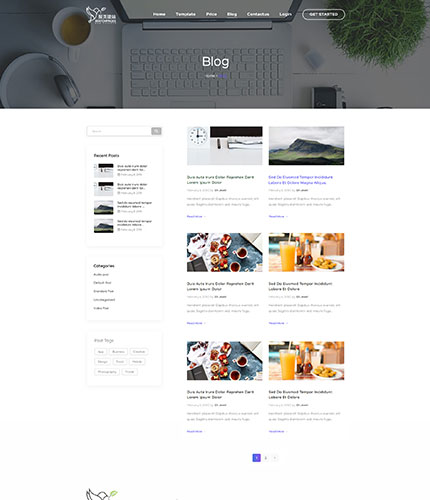
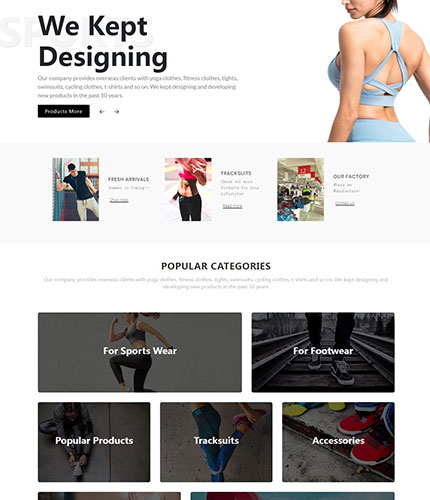
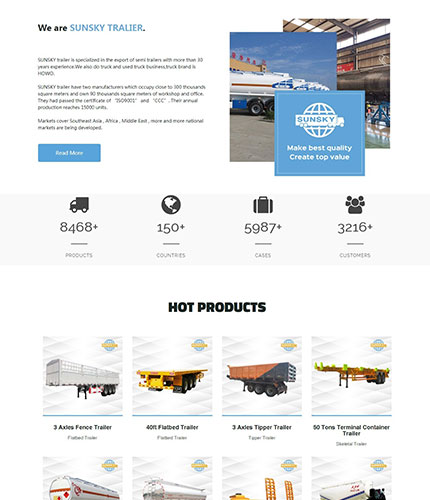
Marketing portfolio templatesMarketing portfolio templates
02. Create a compelling homepage
As you build your portfolio website, keep in mind that the homepage often forms your audience’s first impression of your personal brand. To perfect your homepage design, make it crystal clear what you’re about from the very beginning. Introduce your site - and yourself - with a 1-2 sentence statement that concisely explains your professional activities and goals.
You should also make the homepage easy on the eyes and straightforward to navigate. Don’t clutter the page with loud images or long chunks of text. Remember that your goal isn’t for your visitors to linger on the page, but to direct them to other areas of your site. With this in mind, use your homepage to provide clear links to your portfolio page and work samples.
On top of that, you should include enticing calls-to-action (CTAs) near the top of the homepage. Clickable buttons reading “Contact me” or “Start now” can bring visitors one step closer to working with you.
03. Design a strong About page
Don’t forget to include an About page as well. This is where you can place your professional bio, resume and links to your LinkedIn page and other relevant social media profiles.
This page should summarize your professional experience and highlight your achievements in a way that sets you apart from others in the field. Ideally, it will explain how you got to where you are today and the purpose behind your work.
You can also include a handful of customer testimonials to add credibility to your claims and to show that you stand behind your professional values.
04. Showcase your best samples
Here comes the meat of your marketing portfolio: your work samples. Begin by creating a separate page titled Portfolio or Work. This will be the canvas for presenting your most successful projects.
Most likely, you’ll have several projects to choose from. Rather than attempt to showcase all of them, carefully select the ones that best represent what you’re capable of. Remember, quality is better than quantity here. First, site visitors won’t want to sift through dozens of samples in search of your best work. Second, an in-depth analysis of 5 projects is far more compelling than minimal commentary on 50.
If you’re stuck on which samples to include, consider the following:
Prioritize examples with great results: As you scan examples of past projects, begin by selecting the ones that yielded the most success. Whether you coordinated a campaign for a large company or built a startup’s digital marketing strategy from the ground up, choose examples with measurable data and impressive metrics.
Showcase your most innovative ideas: Perhaps you helped orchestrate a project launch, managed a successful rebrand, or introduced a new marketing channel to a client. Providing such an example in your portfolio can emphasize your creativity, outside-the-box thinking and project management skills.
Highlight an integrated marketing campaign: If you’ve successfully pulled off a complex digital marketing project - for instance, a campaign that integrated website content, social media content, email marketing and more - you should absolutely highlight that in your marketing portfolio. This will show that you are a strategic thinker and know how to target different audiences across a wide range of channels.
05. Explain your work process
Selecting your work samples might be the trickiest part of creating your marketing portfolio, but it’s not the final step. To do justice to your experience, you’ll need to explain the context behind each project. You can place these explanations side-by-side examples of your work, or share case studies and other insights on your website’s blog.
As you explain your work process, be sure to include the following elements:
- The goals behind each project
- Your role and responsibilities
- The challenges you faced and how you overcame them
- An overview of the process from start to finish
- The final outputs and results
06. Make yourself easy to contact
Finally, encourage visitors to reach out by placing your contact details in various places across the site. Anticipate where people might look for your contact details, and place the information there. This includes the website’s footer and the About page, as well as a dedicated Contact page.
It’s also important to include a contact form on your site. This way, visitors won’t need to copy and paste your email address on a separate tab, but can instead send a message directly through your website.
















Leave a Comment